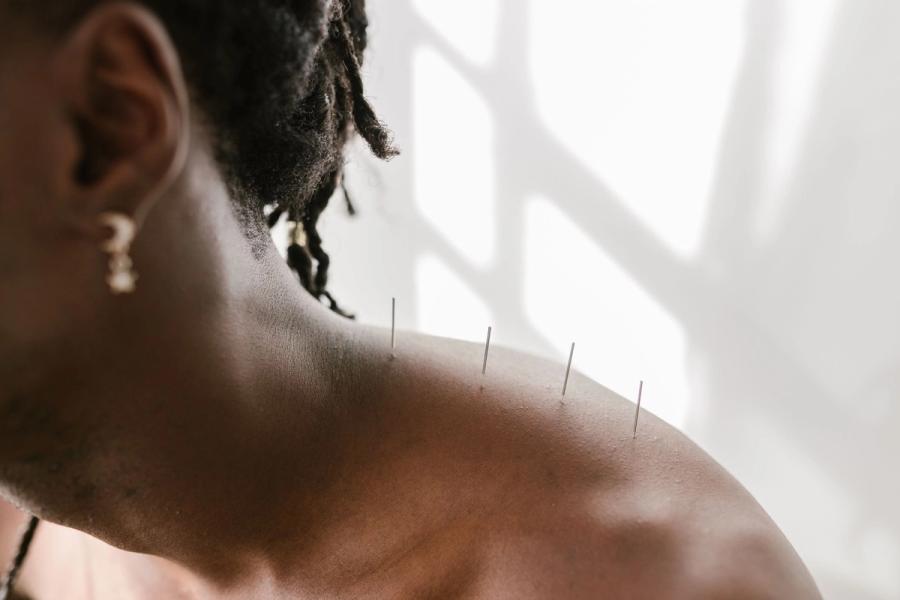
Dry needling with electrical stimulation is a physical therapy technique in which a trained clinician places very thin, solid needles into tight or irritable areas of muscle, then connects some of them to a mild electrical current. Most people describe it as uncomfortable for brief moments rather than painful: you may feel a quick pinch, a deep ache, or a muscle twitch, and the sensation usually settles within seconds.
In physical therapy, dry needling is generally used as one tool within a broader plan rather than a stand-alone fix. Omnia Wellness & Recovery, a physical therapy clinic in Superior, WI, offers dry needling with electrical stimulation alongside manual therapy, strength training, and mobility work. Below is what it is, what it feels like, what to expect afterward, and how to decide whether it is worth trying.
What is dry needling with electrical stimulation?
Dry needling is a hands-on physical therapy technique that uses fine, solid filament needles to target trigger points, the tight, tender knots that can form in muscle. It is called dry because nothing is injected: there is no medication in the needle, unlike the hollow needles used for shots.
Electrical stimulation adds a second step. Once the needles are in place, the clinician may clip small leads to some of them and run a low-level current between them. You will typically feel a gentle tapping, pulsing, or rhythmic tightening of the muscle, and the intensity is adjusted to what you find tolerable.
At Omnia Wellness & Recovery, dry needling uses fine needles to target specific trigger points and is paired with electrical stimulation, with the aim of releasing tension, supporting healing, and restoring muscle function. The clinic lists chronic pain and injury recovery as common reasons people consider it.
What dry needling is often used for
Physical therapists commonly consider dry needling as one option for:
- Muscle tightness and trigger points in the neck, shoulders, and upper back
- Low back and hip pain that has a muscular component
- Chronic, nagging pain that has not fully settled with other care
- Sports and overuse injuries during recovery
Does dry needling hurt?
Dry needling usually is not very painful, but it is not sensation-free either. The needles are much thinner than those used for shots or blood draws, so many people barely notice them going through the skin. What people tend to notice more is what happens inside the muscle.
What you might feel during a session
- A quick pinch or prick as the needle goes in
- A deep, dull ache or pressure, sometimes described as a familiar pain in the spot that has been bothering you
- A local twitch response, a brief involuntary jump of the muscle that can feel strange but usually passes in a second or two
- With electrical stimulation, a tapping or pulsing sensation that should feel strong but tolerable, not sharp
Sensitivity varies from person to person and even from muscle to muscle, so it is normal for one area to feel like almost nothing and another to feel more intense. Your comfort steers the session: you can ask your clinician to pause, adjust a needle, or turn the current down at any point.
Will I be sore after dry needling?
Some soreness after dry needling is common and is usually mild and short-lived, often feeling similar to the ache after a hard workout. Many people notice it for a day or so, though this varies. Small bruises at needle sites can also happen.
Your PT may suggest gentle movement, light stretching, or heat to help soreness settle, and should tell you what to expect for your specific area. If soreness is severe, lasts longer than a couple of days, or you notice anything unusual, contact your clinician.
How is dry needling different from acupuncture?
Dry needling and acupuncture use similar thin needles, but they come from different frameworks and are used for different reasons. Acupuncture is rooted in traditional Chinese medicine and places needles at points described in that system. Dry needling, as used in physical therapy, is based on Western anatomy and is aimed at specific muscles and trigger points found during a movement and hands-on exam.
In physical therapy, needling is rarely the whole treatment. It is typically combined with exercise, manual therapy, and movement retraining, because loosening a tight muscle tends to help most when you also address why it got tight.
At Omnia Wellness & Recovery, dry needling is offered alongside manual therapy, manipulation therapy, strength training, cupping, and flexibility and mobility work. You can see how these fit together on the full list of services.
Is dry needling safe, and who should check first?
Dry needling is generally considered low risk when performed by a trained clinician, but it is not right for everyone. The most common side effects are temporary soreness, minor bruising, and occasionally feeling lightheaded or tired. Less common but more serious risks exist, especially when needling near the chest wall, which is one reason training and careful technique matter.
Before needling, tell your physical therapist if any of the following apply to you:
- You are pregnant or might be
- You take blood thinners or have a bleeding disorder
- You have a strong fear of needles or have fainted during shots before
- You have a pacemaker or other implanted electrical device, which matters for electrical stimulation
- You have a skin infection, open wound, or swelling in the area
- You have a weakened immune system or a history of poor wound healing
Your PT will use this information to decide whether dry needling, electrical stimulation, or a different approach makes the most sense for you.
What happens at a dry needling appointment?
At a physical therapy clinic like Omnia Wellness & Recovery in Superior, WI, a dry needling visit typically starts with a conversation and an exam, not with needles. A typical visit looks something like this:
- Talk through your history: what hurts, when it started, what makes it better or worse, and what you want to get back to.
- A movement and hands-on assessment to find which muscles and joints are involved.
- Needling: the clinician cleans the skin, places the needles, and may add electrical stimulation for several minutes.
- Follow-up work such as exercise, stretching, or manual therapy so the change carries into how you move.
Wear comfortable, loose-fitting clothing you can move in. Shorts help for knee or hip work, and a loose shirt or tank top makes the shoulders and upper back easier to reach.
Emily Holter, DPT, DN, has been a physical therapist for 15 years, specializes in orthopedic PT, and counts myofascial release, dry needling, and return-to-sport assessments among her favorite clinic work. You can read more about Emily.
Because needles have to be placed by hand, needling naturally takes place at an in-person visit; Omnia Wellness & Recovery offers hands-on care in Superior and Duluth. If you live farther away, a virtual visit can still cover exercise and movement guidance.
How do I know if dry needling is right for me?
The best way to know whether dry needling with electrical stimulation fits your situation is to talk it through with a physical therapist who can examine you, such as a Doctor of Physical Therapy at Omnia Wellness & Recovery in Superior. It tends to be most useful as part of a plan that also builds strength and better movement, and it is never required; if needles are not for you, other hands-on and exercise-based options exist.
Talk to a DPT. To find out whether dry needling makes sense for you, book an appointment online, call Omnia Wellness & Recovery at (218) 499-0806, or email omniatherapies@gmail.com. The clinic is at 1308 Tower Ave in Superior, WI, and serves Superior, Duluth, and virtual patients across Minnesota and Wisconsin.
Frequently asked questions
Does dry needling with electrical stimulation hurt?
Most people feel a brief pinch, a deep ache, or a muscle twitch rather than sharp pain, and the electrical stimulation usually feels like tapping or pulsing. Your clinician can adjust or stop at any time.
How long does soreness last after dry needling?
Soreness is usually mild and often fades within a day or so, though it varies by person and area. Contact your clinician if it is severe or lingers.
Is dry needling the same as acupuncture?
No. Both use thin needles, but dry needling is based on Western anatomy and targets specific muscles and trigger points as part of a physical therapy plan.
Can dry needling be done in a virtual visit?
Needles have to be placed by hand, so needling naturally happens at an in-person visit in Superior or Duluth. Virtual visits with Omnia Wellness & Recovery can still help with exercise and movement guidance.
How do I book dry needling at Omnia Wellness & Recovery?
Use the online scheduler on the appointment page, call (218) 499-0806, or email omniatherapies@gmail.com.